

Naturcontact and the Barefoot Revolution: Why Natural Footwear Is Changing the Way We Walk

A Different Way to Think About Shoes
For decades, most people have been taught to think about shoes in a very narrow way. A good shoe, we were told, should be thick, heavily cushioned, supportive, elevated at the heel, and structured enough to “control” the foot. That idea became so normal that many people never stopped to ask a simple question: what if the foot works better when it is allowed to do more of its own job? That question sits at the heart of the barefoot footwear movement, and it is also central to the identity of Naturcontact. The brand presents itself as more than a seller of shoes. It represents a different philosophy of movement, one that starts from the belief that the human foot is not a flaw to be corrected but a remarkable structure to be respected. Naturcontact focuses on barefoot shoes and zero-drop footwear designed to encourage natural movement. The concept is simple, but its impact can be wide-reaching. Instead of narrowing the toes, raising the heel, and limiting flexibility, barefoot footwear aims to create more room, more balance, and more freedom. In a market crowded with flashy promises, this more grounded approach feels refreshingly practical..
Why Barefoot Shoes Appeal to So Many People
The popularity of barefoot shoes is not just about trends. It comes from a growing awareness that many traditional shoes may be doing more than people realize. Overly stiff soles, narrow toe boxes, and raised heels can affect how the body stands, walks, and distributes pressure. While not every conventional shoe is harmful, the broader design language of mainstream footwear often prioritizes appearance or padding over natural mechanics. Barefoot shoes take a very different route. Their goal is not to do everything for the foot, but to let the foot do more for itself. That shift appeals to a wide range of people. Some arrive at barefoot footwear because of discomfort. Others are motivated by curiosity, fitness, posture, or a desire for simplicity. Many just want to feel more connected to the ground and less boxed in by rigid, unnatural shoe shapes.
What Makes Naturcontact Stand Out in a Crowded Market
The barefoot footwear category has grown quickly, and with that growth comes competition. More brands are entering the space, more consumers are paying attention, and more companies are trying to define what natural footwear should look like. In that environment, standing out requires more than using familiar buzzwords. A brand needs a clear identity, a coherent product philosophy, and enough trust signals to help people feel confident in trying something different. Naturcontact appears to work hard on all three. A major part of its appeal is how it balances principle with usability. Some barefoot brands focus so heavily on the technical idea of “minimalism” that they end up feeling intimidating or overly niche. Naturcontact seems to take a broader and more welcoming approach. Its website presents barefoot and zero-drop footwear as useful for everyday people, not only for specialists, athletes, or long-time enthusiasts. That tone matters because many first-time buyers are interested in the concept but hesitant about whether it fits their real life. The brand also benefits from offering a wide variety of models. Instead of centering its identity on one hero product, Naturcontact showcases options across everyday wear, outdoor exploration, winter use, and casual versatility. That creates a fuller ecosystem. Customers can imagine staying within the brand as their needs change from season to season or from city streets to trails. This kind of continuity strengthens the sense that Naturcontact is not just participating in the category but helping shape it. Another standout feature is the combination of health-oriented messaging and style-aware design.
Exploring the Naturcontact Range From Everyday Comfort to Outdoor Adventure
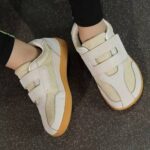
One of the most compelling aspects ofNaturcontact is the breadth of its lineup. Many footwear brands talk about versatility, but Naturcontact’s range suggests a genuine attempt to meet people in different parts of their lives. Instead of treating barefoot footwear as suitable for only one context, the brand presents models designed for everyday use, active movement, rugged terrain, and colder weather. That makes the collection feel practical rather than abstract. The everyday category is especially important because this is where many people begin. A barefoot shoe needs to work in ordinary life before it can become a lasting habit. Models like the Walker Leather, George, Metro Flex 3.0, and Naturwalkers 2.0 suggest an emphasis on daily wearability. These are the kinds of names that imply walking comfort, city use, and casual versatility. For customers who want a natural-feeling shoe that fits into routines like commuting, errands, or relaxed office environments, this kind of design direction is essential. A shoe for everyday use has a difficult task. It must be comfortable enough for long hours, neutral enough to pair with a wide range of clothing, and durable enough to handle repetition. If it also delivers a wide toe box, flexible sole, and zero-drop platform, it becomes more than just another casual shoe. It becomes a small but meaningful upgrade to daily movement. Naturcontact seems to understand that the best gateway into barefoot footwear is not always an extreme trail model or performance design. Often, it is the shoe you can wear on a normal Tuesday without thinking twice.
Comfort, Foot Health, and the Transition to Natural Movement
The conversation around barefoot shoes often becomes most meaningful when it shifts from product features to lived experience. People rarely change their footwear habits just because a shoe looks interesting. They change because something deeper is happening. They are uncomfortable. They are curious about posture. They are tired of cramped toes. They notice that after long hours on their feet, their shoes feel more like constraints than support. In this context, Naturcontact emphasis on comfort, foot health, and pain reduction speaks directly to concerns that many people already have. The foot is a complex structure. It contains bones, muscles, tendons, ligaments, and joints that work together to create balance, shock absorption, propulsion, and adaptability. Yet modern shoes often reduce the role of the foot by doing too much around it. Thick cushioning can dull sensation. Structured support can reduce the need for natural engagement. Narrow toe boxes can limit the ability of the toes to spread and stabilize. Raised heels can subtly alter body alignment. None of these factors act in isolation, but over time they can shape how movement feels.
Conclusion
Naturcontact represents more than a footwear brand; it reflects a broader shift in how people think about comfort, movement, and long-term foot health. By focusing on natural design principles like a wide toe box, zero-drop soles, and flexible materials, the brand appeals to people who want shoes that work with the body rather than against it. Its emphasis on simplicity, freedom of movement, and everyday practicality makes it especially relevant in a time when many consumers are rethinking the impact of modern footwear on posture, balance, and overall wellbeing. What makes Naturcontact stand out is the way it combines the philosophy of barefoot living with the demands of daily life. Not everyone can walk barefoot everywhere, but many people still want the benefits of more natural movement. Naturcontact seems to answer that need by offering footwear that supports healthier mechanics without sacrificing versatility or style. For anyone curious about the barefoot movement, the brand offers a practical starting point and a compelling reminder that sometimes the best support comes from allowing the body to move as it was designed to move.