Introduction
UNIQLO has become a household name in the global apparel industry, recognized for its unique blend of functional fashion and innovative marketing strategies. Established in Japan, the brand has rapidly expanded its presence internationally, earning a reputation for high-quality products at affordable prices. This article delves into the journey of UNIQLO, tracing its origins, marketing strategies, product offerings, and impact on the global retail landscape.
The Beginnings of UNIQLO
UNIQLO, originally a single shop in Hiroshima, Japan, opened its doors in 1984 under the name “Unique Clothing Warehouse.” Founded by Tadashi Yanai, the store aimed to offer high-quality casual wear at affordable prices. The concept was straightforward: to create a shopping atmosphere that provided customers with a wide variety of clothing options, all while ensuring quality and comfort.
Growth and Expansion
Domestic Growth
The Japanese market presented ample opportunities for UNIQLO to thrive. By the late 1990s, the brand had established itself as a leader in casual wear, thanks to its focus on quality and customer satisfaction. The launch of the “Essentials” line further boosted sales, offering basic clothing items that became staples in many wardrobes.
International Expansion
In 2001, UNIQLO ventured outside Japan, opening its first store in Shanghai, China. This marked the beginning of its international expansion strategy, which would see the brand enter markets across Asia, Europe, and the United States. The company’s ability to adapt to local market trends and preferences has been pivotal in its success abroad.
Key Milestones
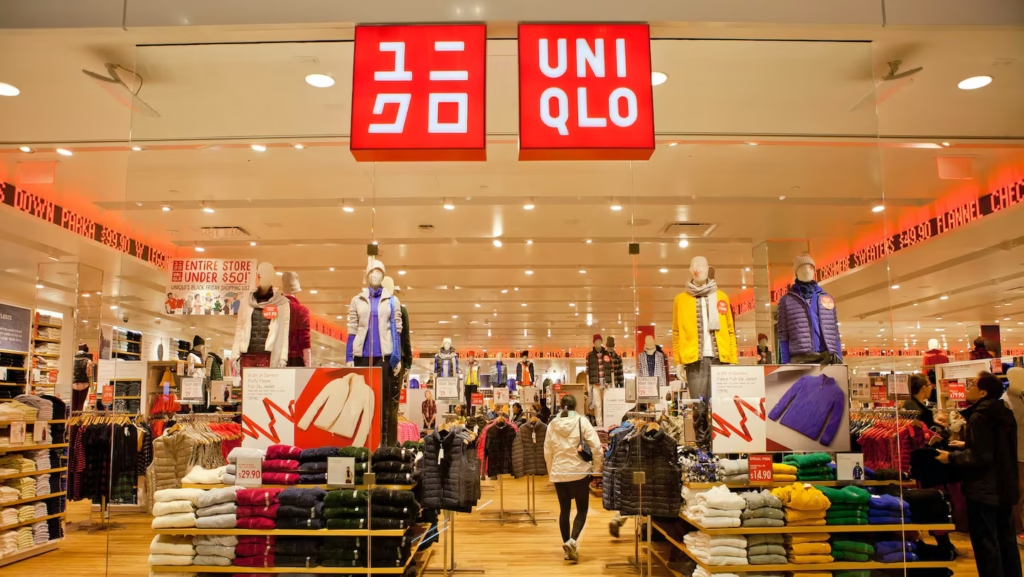
The introduction of flagship stores in major cities, such as New York and London, highlighted the brand’s ambition to become a global player. These stores not only serve as retail spaces but also as cultural hubs, showcasing UNIQLO’s commitment to design and community engagement.
Product Innovation: The Heart of UNIQLO
Functional Fashion
UNIQLO is renowned for its focus on functional fashion. The brand emphasizes the importance of utility in clothing, designing items that cater to everyday needs. Innovations such as HeatTech, Ultra Light Down, and AIRism reflect the company’s commitment to integrating technology into clothing, enhancing comfort and usability.
Collaborations with Designers
Collaborations have played a significant role in elevating UNIQLO’s brand perception. High-profile partnerships with designers like Jil Sander, Christophe Lemaire, and Alexander Wang have introduced unique collections that blend high fashion with everyday wear. These collaborations have not only expanded UNIQLO’s product range but also attracted a more diverse customer base.
Sustainability Initiatives
As consumer awareness around sustainability grows, UNIQLO is actively engaging in eco-friendly practices. The company’s “RE.UNIQLO” initiative focuses on recycling and upcycling clothing, encouraging customers to contribute to a more sustainable fashion cycle. This commitment not only meets consumer demands but also positions UNIQLO as a responsible player in the fashion industry.
Marketing Strategies
Brand Positioning
UNIQLO’s marketing strategy is centered on the idea of “LifeWear,” which emphasizes that clothing should not only be stylish but also functional and adaptable to various lifestyles. This positioning allows UNIQLO to resonate with a broad audience, from fashion-conscious individuals to those seeking practical clothing solutions.
Digital Marketing
The rise of digital marketing has profoundly impacted UNIQLO’s outreach efforts. The company leverages social media platforms, e-commerce sites, and influencer partnerships to connect with younger audiences. Engaging campaigns, such as the “UNIQLO U” line launched by designer Christophe Lemaire, successfully generate buzz and drive sales.
Customer Engagement
UNIQLO’s approach to customer engagement includes initiatives like in-store experiences, community events, and loyalty programs. The brand often hosts pop-up events and workshops that encourage customer interaction, reinforcing its commitment to building a community around its products.
Challenges and Adapting to Change
Market Competition
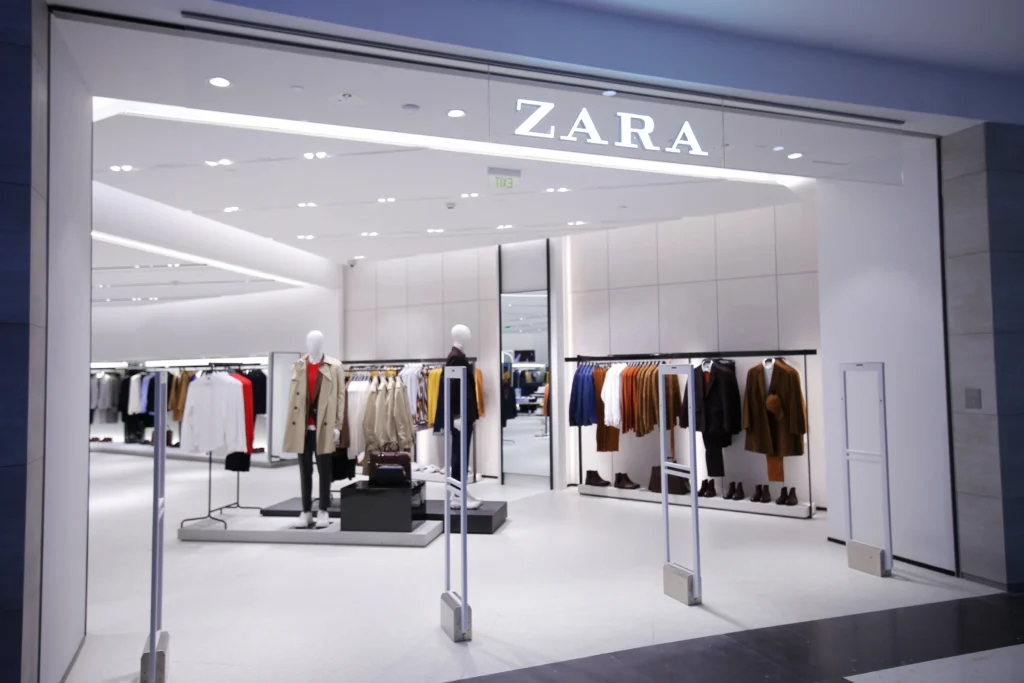
The retail fashion industry is highly competitive, with brands like H&M, Zara, and Gap constantly vying for market share. UNIQLO faces challenges in maintaining its unique identity while adapting to changing consumer preferences. The ability to quickly respond to market trends and deliver relevant products remains crucial for success.
Economic Factors
Global economic fluctuations also impact retail operations. Economic downturns can result in reduced consumer spending, challenging UNIQLO to remain agile. The brand’s focus on affordable pricing and value for money helps mitigate this risk, but continued innovation is essential.
Navigating Global Markets
Entering diverse global markets requires careful navigation of cultural differences and market demands. Each region has its unique fashion sensibilities, and UNIQLO must strike a balance between maintaining its brand identity and catering to local preferences.
The Future of UNIQLO
Expanding the Global Footprint
Looking ahead, UNIQLO aims to expand its global footprint further. With a focus on emerging markets, particularly in Southeast Asia and Africa, the company is poised to tap into new customer bases. Investments in local production and distribution will enhance efficiency and responsiveness.
Embracing Technology
Technological advancements will play a pivotal role in shaping UNIQLO’s future. From integrating AI in retail operations to enhancing online shopping experiences, the brand recognizes the need for continuous innovation. Developing smart clothing and leveraging big data to understand consumer preferences will further solidify UNIQLO’s position in the market.
Sustainability Commitments
UNIQLO’s commitment to sustainability will continue to evolve. As consumers increasingly prioritize eco-friendly practices, the company aims to enhance its efforts in responsible sourcing, sustainable manufacturing, and circular fashion. By integrating these principles into its business model, UNIQLO can appeal to socially conscious consumers.
Conclusion
The journey of UNIQLO from a single shop in Japan to a global fashion powerhouse is a testament to its innovative strategies and customer-centric approach. With a strong foundation built on quality, functionality, and style, the brand is poised to navigate the challenges of the ever-evolving retail landscape. By continuing to innovate, adapt, and engage with consumers, UNIQLO will undoubtedly remain a key player in the global fashion industry for years to come.