Introduction
In the modern retail landscape, fast fashion has emerged as a significant trend, revolutionizing the way consumers shop and how brands operate. Zara, one of the leading fast fashion retailers, exemplifies this phenomenon through its rapid production cycles and responsive supply chain. This article delves into the dynamics of Zara’s business model, its impact on the fashion industry, and the challenges it faces in the evolving marketplace.
The Origin and Evolution of Zara
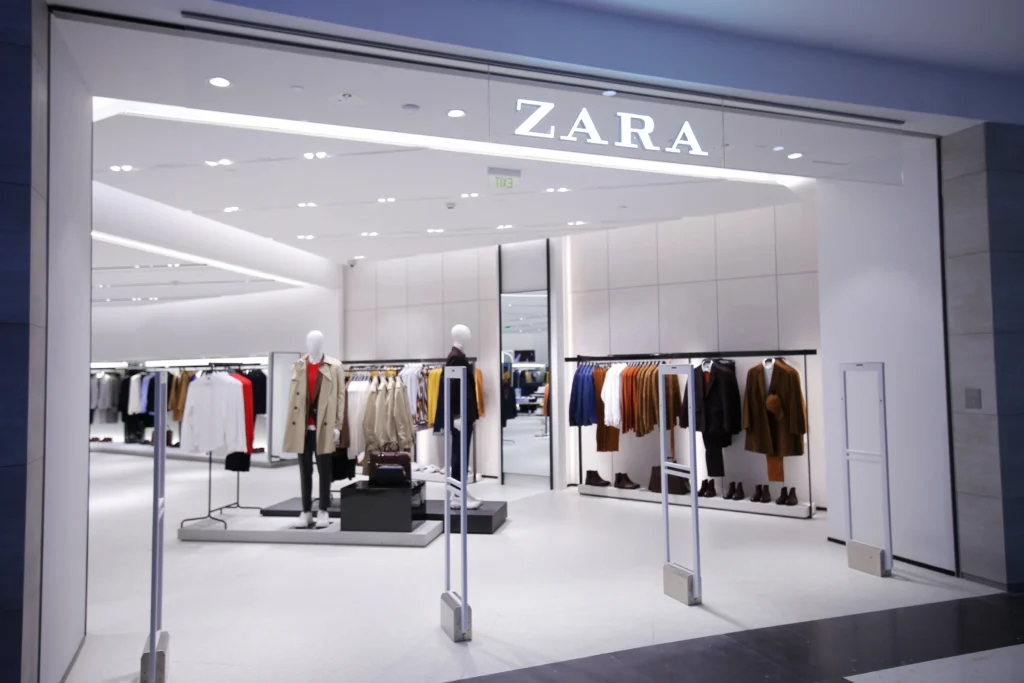
Zara was founded in 1974 in Spain by Amancio Ortega and Rosalía Mera. The brand quickly gained a reputation for producing affordable, trendy clothing that mirrored high-fashion aesthetics. Over the years, Zara has expanded globally, operating thousands of stores worldwide, showcasing its unique approach to fashion retail.
Key Milestones in Zara’s History
-
1974: Establishment of Zara
Amancio Ortega opened the first store in A Coruña, focusing on low-cost, stylish apparel. -
1980s: Rapid Expansion
Zara expanded through Spain, enhancing its production capabilities to meet growing demand. -
1990s: International Growth
The 90s marked Zara’s entry into international markets, including Portugal, France, and the United States. -
2000s: Embracing E-commerce
With the rise of the internet, Zara launched its online store, catering to a broader audience. -
2010s: Sustainability Initiatives
In response to growing environmental concerns, Zara implemented sustainability strategies to reduce its ecological footprint.
Zara’s Unique Business Model
Zara’s success can be attributed to its innovative business model, which combines speed, quality, and consumer insight.
1. Fast Fashion Philosophy
At the core of Zara’s business strategy is the concept of fast fashion. The brand excels in shortening the design-to-retail cycle, allowing it to respond swiftly to changing fashion trends.
2. Vertical Integration
Zara maintains a vertically integrated supply chain, controlling every aspect of its production—from design to retail. This integration enhances efficiency and reduces lead times, enabling Zara to produce new collections in a matter of weeks rather than months.
3. Trend-Driven Design
The brand’s design process is heavily influenced by consumer feedback and trend analysis. By actively monitoring social media and street fashion, Zara can quickly translate popular trends into new garments.
4. Limited Quantity Production
Zara’s strategy of producing limited quantities of each item creates a sense of urgency among consumers. This tactic encourages quick purchases and minimizes excess inventory, aligning closely with the brand’s fast fashion ethos.
Zara’s Global Impact
Zara’s influence extends beyond its stores, impacting global fashion trends and retail practices.
1. Redefining Retail Standards
The fast fashion model pioneered by Zara has influenced countless retailers, pushing traditional brands to adopt quicker turnaround times and more frequent inventory refreshes.
2. Economic Impact
Zara’s global reach contributes significantly to employment and economic growth in the regions where it operates. The brand’s commitment to local production in various markets further bolsters its economic footprint.
3. Cultural Influence
Zara’s ability to tap into cultural trends makes it a significant player in the fashion world. By continuously updating its offerings, Zara keeps itself relevant in the fast-paced fashion landscape.
Challenges Faced by Zara
While Zara has enjoyed notable success, it is not without its challenges.
1. Environmental Sustainability
The fast fashion model is often criticized for its environmental impact. Zara has initiated sustainability efforts, but the brand must continue to evolve its practices in response to growing concerns about overconsumption and waste.
2. Public Perception and Ethical Concerns
Accusations related to labor practices and production ethics challenge Zara’s image. The brand’s commitment to transparency and fair labor practices is essential for maintaining consumer trust.
3. Adapting to Digital Transformation
As e-commerce continues to grow, Zara must enhance its online presence while integrating its digital and physical retail experiences seamlessly.
The Future of Zara and Fast Fashion
Looking ahead, Zara is poised to navigate a rapidly changing retail landscape by embracing innovation and sustainability.
1. Emphasizing Sustainability
Future growth for Zara will likely focus on sustainable practices, including the use of eco-friendly materials and improved recycling initiatives.
2. Leveraging Technology
Investing in technology and data analytics can further enhance Zara’s ability to forecast trends and manage its supply chain efficiently.
3. Expanding Online Presence
Enhancing its e-commerce platform and integrating mobile shopping experiences will keep Zara competitive in a digital-first marketplace.
Conclusion
Zara’s journey from a small store in Spain to a global fast fashion leader exemplifies the transformative power of innovative retail practices. While challenges loom ahead, Zara’s commitment to speed, trend adaptation, and sustainability will dictate its future success and role in the ever-evolving fashion industry.