
Beyond the Ordinary Ride: How WIRED Electric Bikes Are Redefining Premium Power, Safety, and Everyday Adventure

The electric bike market has matured quickly. What began as a niche category for curious commuters and early adopters has become one of the most exciting areas in personal mobility. Riders now expect more than a basic motor and a battery strapped to a frame. They want performance, reliability, safety, and a riding experience that feels intentional from the first pedal stroke to the last mile home. In that environment, brands that merely follow trends fade into the background. The brands that lead are the ones willing to define a higher standard. WIRED Electric Bikes positions itself in exactly that space. The company presents itself not as a builder of average commuter machines, but as a premium e-bike brand focused on higher-performance systems, serious engineering, and rider confidence. Two details immediately stand out in that positioning: its emphasis on 60V and 72V power systems, and its strong focus on UL2849 certification. Those are not casual marketing points. They signal a deliberate approach to building bikes for riders who care about more than surface-level specs.
The Meaning of Premium in the E-Bike World
To understand why a brand like WIRED attracts attention, it helps to define what “premium” should mean in the first place. In the e-bike industry, the term is often thrown around so loosely that it risks becoming meaningless. A premium e-bike is not simply one with a big battery, a sharp paint finish, or an inflated price. True premium quality is the sum of many choices, most of which the rider feels immediately and some of which they may never see at all. A premium e-bike begins with engineering intent. That means the product is designed as a complete system rather than a collection of loosely matched parts. The battery, motor, controller, frame, brakes, and geometry should all complement one another. When that happens, the bike feels cohesive. Acceleration is strong but predictable. Handling is stable without feeling sluggish. The motor supports the rider naturally instead of overwhelming the experience. Small details, from cable routing to display integration, contribute to a cleaner and more refined ride. This systems approach separates high-end brands from commodity manufacturers. Many lower-tier e-bikes chase a handful of attention-grabbing specs while neglecting the experience of living with the bike over time. They may advertise strong wattage, but deliver jerky power. They may offer a large battery, but pair it with mediocre thermal management or weak supporting components. They may look bold in product photos, yet feel heavy, awkward, or fragile in daily use. Premium brands cannot afford those inconsistencies.
Why 60V and 72V Systems Change the Riding Experience
The most technically distinctive part of WIRED’s positioning is its focus on 60V and 72V systems. To many casual buyers, voltage may seem like just another number in a sea of e-bike specifications. But in practice, it has major implications for how a bike performs, how efficiently it delivers power, and how refined the system can feel under load. For riders seeking a more capable machine, this is one of the most important details to understand. At the simplest level, voltage reflects electrical potential. In an e-bike system, that potential helps determine how power is delivered from the battery to the motor. Because power is the product of voltage and current, a higher-voltage system can deliver the same power with less current, or more power at a similar current level. That matters because lower current can reduce resistive losses and heat buildup in the system. In practical terms, that can support better efficiency, smoother operation, and less stress on components. This is one reason higher-voltage systems are associated with premium performance. They give designers more flexibility. A bike using 60V or 72V architecture can be built to deliver strong acceleration and torque without relying as heavily on high current flow. That can improve how the bike behaves when climbing hills, carrying heavier riders, or accelerating from a stop. It can also allow the system to feel more composed during sustained performance rather than peaky or strained.
Why UL2849 Certification Matters More Than Ever
If performance is the exciting part of the e-bike conversation, safety is the part that earns long-term trust. That is why WIRED’s emphasis on UL2849 certification is so important. In a crowded and rapidly growing market, safety certification is one of the clearest ways a brand can demonstrate seriousness, discipline, and accountability. For riders, it is not just a technical label. It is a sign that the electrical system has been evaluated against a recognized safety standard. UL2849 is the safety standard for electric bicycle electrical systems. It addresses how major electrical components work together, including the battery, motor, controller, charger, and wiring. The goal is not simply to confirm that each part works in isolation, but to assess whether the integrated system meets established requirements for electrical and fire safety. That is a crucial distinction. E-bikes are system-dependent products. Even high-quality individual parts can create risks if they are combined poorly or insufficiently protected.
Design, Materials, and the Feel of a Refined Machine
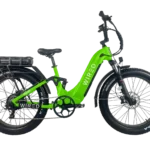
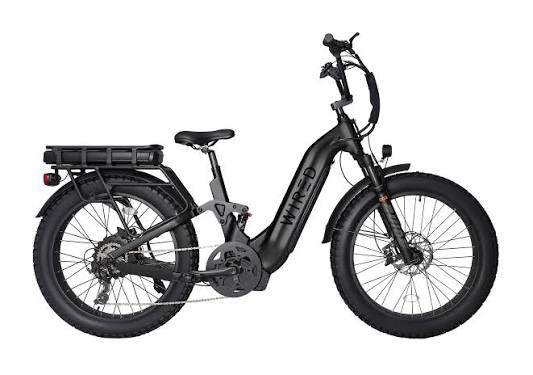
An e-bike’s numbers can attract attention, but design is what shapes the rider’s relationship with the bike over time. That is why premium brands must think beyond motor output and battery size. The frame, geometry, material quality, component selection, and overall integration all play major roles in whether a bike feels merely powerful or genuinely refined. WIRED’s premium positioning suggests an understanding that performance alone is not enough. The machine must also look cohesive, feel stable, and inspire confidence in motion. The frame is the starting point. On any bicycle, it defines both visual character and handling behavior. On an e-bike, it carries even greater responsibility because it must manage added mass, motor forces, and battery integration without sacrificing balance. A well-designed frame distributes weight intelligently, keeps the bike planted at speed, and avoids the awkward top-heaviness or flex that can undermine cheaper builds. Riders may not always describe these qualities in technical terms, but they feel them instantly.
Who WIRED Electric Bikes Are Built For
Every strong brand tells us something about its ideal rider. InWIRED Electric Bikes case, the clues are clear. The emphasis on 60V and 72V systems, premium engineering, and UL2849 certification suggests a product line aimed at riders who are not shopping for the cheapest route into electric mobility. These bikes are for people who want more capability, more confidence, and a more serious relationship with the machine they ride. One obvious audience is the performance-minded cyclist. This rider may already have experience with traditional bicycles, motorcycles, or other high-engagement forms of mobility. They understand the appeal of acceleration, control, and responsive handling. For them, an e-bike is not just a convenience. It is a platform for enjoyment and capability. They want to feel the difference when the motor engages. They want reserve power on hills and a chassis that can keep pace with the performance it delivers.
WIRED and the Future of High-Performance Electric Mobility
The most interesting premium mobility brands do not simply respond to current demand. They help shape what customers will expect next. WIRED Electric Bikes appears to occupy that kind of position. Its emphasis on high-voltage performance and certified safety suggests a view of the e-bike not as a trend product, but as a serious category that is still evolving upward. That perspective matters because the future of electric mobility will belong to brands that can combine capability, trust, and user experience in equal measure. E-bikes are moving beyond their original identity as alternatives to conventional bicycles. They are becoming legitimate transportation tools, recreational machines, and lifestyle products all at once. As this shift continues, the market will likely split more clearly between mass accessibility and premium advancement. In the premium segment, riders will increasingly expect stronger performance, smarter system design, cleaner integration, and higher safety standards. WIRED’s current positioning fits neatly into that trajectory.
Conclusion
WIRED Electric Bikes represents a clear vision of what premium electric mobility should look like. Instead of relying on surface-level marketing, the brand stands out by pairing high-voltage performance with a serious commitment to safety, engineering, and rider confidence. That combination gives its bikes a stronger identity in a market where many products still compete only on basic specs or price. What makes this approach compelling is the balance it offers. Riders do not have to choose between excitement and reassurance, or between power and responsibility. With its emphasis on 60V and 72V systems alongside UL2849 certification, WIRED speaks to a new generation of consumers who expect more from their e-bikes than simple electric assistance. They want a machine that feels refined, capable, and trustworthy every time they ride.