

A French Legacy Built on Precision, Not Trends
In a kitchen market crowded with flashy finishes, celebrity partnerships, and cookware designed to look good on social media, de Buyer stands apart for a much simpler reason: it has spent nearly two centuries building tools for people who actually cook. Founded in 1830 in the Vosges region of France, de Buyer is not a brand that suddenly appeared to capitalize on the current appetite for artisanal kitchenware. It comes from a much older tradition, one rooted in metalworking, culinary precision, and the belief that cookware should perform first and impress second. That long history matters because it shapes the brand’s identity at every level. de Buyer is not selling cookware as a disposable lifestyle accessory. It is selling an idea of cooking that values discipline, technique, patience, and consistency. Its pans, pots, molds, and utensils are made for kitchens where heat control matters, where ingredients are respected, and where the cook understands that great results often begin with the right tool. The French culinary connection is central to de Buyer’s appeal, but not in a superficial way. This is not about decorating a product with French terminology to make it sound more elegant. It is about being part of a culture where cookware has traditionally been taken seriously. French cooking, whether in professional kitchens or committed home kitchens, has always depended on tools that deliver repeatable results.
The Power of Materials: Why de Buyer Cookware Performs Differently
If de Buyer has a signature, it is not a logo or a color palette. It is material intelligence. The brand’s reputation rests heavily on understanding what different metals do in real cooking conditions and matching those properties to specific culinary tasks. This is where de Buyer separates itself from brands that treat cookware materials as interchangeable selling points. Carbon steel is perhaps the material most strongly associated with de Buyer, and for good reason. For serious cooks, carbon steel occupies a fascinating middle ground between cast iron and stainless steel. It can handle high heat, develop a natural seasoning, and create excellent browning, while often being lighter and more agile than cast iron. de Buyer has helped bring carbon steel to a broader audience by treating it not as an obscure professional material, but as one of the most rewarding tools a cook can own.
The Collections That Define the Brand
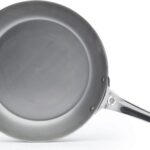
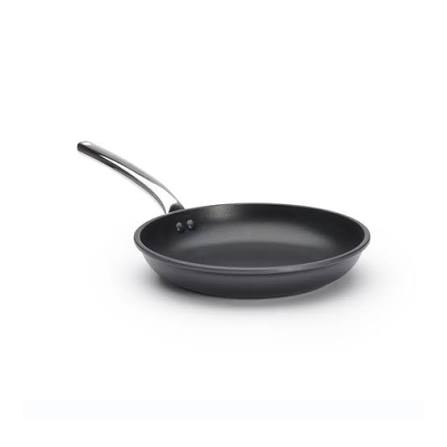
One of de Buyer strengths is that it has built product lines with distinct identities rather than overwhelming shoppers with endless minor variations. Within the brand, certain collections have become especially well known because they clearly express its values and meet different levels of cooking ambition. The MINERAL B line is perhaps the most iconic. For many home cooks, this is the gateway into de Buyer and often into carbon steel itself. These pans are celebrated for their durability, high-heat capability, and capacity to develop seasoning with regular use. They are often chosen by people who want better searing, more natural cooking surfaces, and a pan that can outlast the typical nonstick lifecycle. MINERAL B also carries the emotional appeal that many modern cooks are looking for: the sense that the cookware will age with them rather than expire on schedule.
Why Serious Home Cooks and Professionals Keep Coming Back
de Buyer enduring appeal lies not only in its products, but in the kind of cook those products help shape. There is a reason the brand inspires loyalty that often sounds more personal than transactional. Users do not simply say their de Buyer pan works; they say it has become their favorite pan, their everyday pan, the one they reach for first, the one that got better with time. That sort of attachment is difficult to manufacture through marketing alone. It usually emerges when a tool repeatedly earns trust. One major reason for that trust is performance under real heat. Many modern home cookware sets are built around convenience and fear reduction. They aim to make cooking feel safe, clean, and low-maintenance, but often at the cost of browning power, longevity, or control. de Buyer appeals to cooks who want more than that. They want pans that can take serious heat, create a proper sear, hold up to repeated use, and contribute to flavor through fond, caramelization, and texture.
More Than Pans: The de Buyer Philosophy of the Kitchen
What makes de Buyer especially interesting as a brand is that it does not stop at cookware. Its broader world suggests a philosophy about the kitchen itself: that cooking deserves dedicated tools, that preparation matters as much as presentation, and that function and beauty should support each other without compromise. This becomes clear when looking at the brand’s wider product universe. de Buyer is not limited to frying pans and saucepans. It is deeply invested in pastry and baking equipment, mandolines, molds, rings, utensils, and technical tools that reflect a professional understanding of how food is actually made. This diversity reveals that the company is not simply trying to occupy shelf space. It is articulating a comprehensive culinary perspective.
Conclusion
de Buyer stands out because it treats cookware as a long-term craft rather than a short-term kitchen accessory. With its French heritage, durable materials, and chef-trusted performance, the brand has built a reputation that goes beyond trends. For cooks who value reliability, tradition, and precision, de Buyer remains a name worth investing in.