
Introduction
The world of footwear has undergone a significant transformation over the past few decades. Among the numerous brands that have made their mark, New Balance stands out due to its unique approach to athletic and lifestyle shoes. Founded in 1906, the brand has not only emphasized performance and comfort but has also embraced technology and sustainability in its design philosophy. This article explores the history, innovations, and current sustainable practices of New Balance.
Historical Background of New Balance
Founding Era (1906-1930s)
New Balance was established by William J. Riley, who initially focused on orthotic arch supports before transitioning to athletic footwear. The brand’s early years were marked by its commitment to producing quality products tailored to the unique needs of athletes.
Growth Phase (1940s-1980s)
The post-war era witnessed a rapid development in sports, leading to increased demand for specialized footwear. New Balance capitalized on this trend by releasing innovative products tailored for various sports, establishing itself as a serious contender in the athletic market.
The Running Boom (1980s-1990s)
The emergence of running as a popular activity in the 1980s led New Balance to redefine its brand identity. The introduction of the “990” model in 1982 became a game-changer, featuring a combination of performance and style that appealed to both serious runners and casual consumers.
Innovations in Technology
Cushioning Technologies
New Balance has consistently pushed the envelope in footwear technology. The introduction of ACTEVA foam brought lightweight cushioning that didn’t compromise on support, making it a favorite among long-distance runners.
Stability and Support Systems
For athletes who require more arch support, New Balance has developed devices like TBeam and Medial Post technologies. These innovations provide enhanced stability without adding extra weight, making them ideal for competitive athletes.
Fit and Customization
In its commitment to offering the best possible fit, New Balance launched the ‘Fresh Foam’ range. The unique foam construction adapts to the shape of the foot while providing durability and comfort.
Design Philosophy: Combining Functionality with Aesthetics
Sleek Design
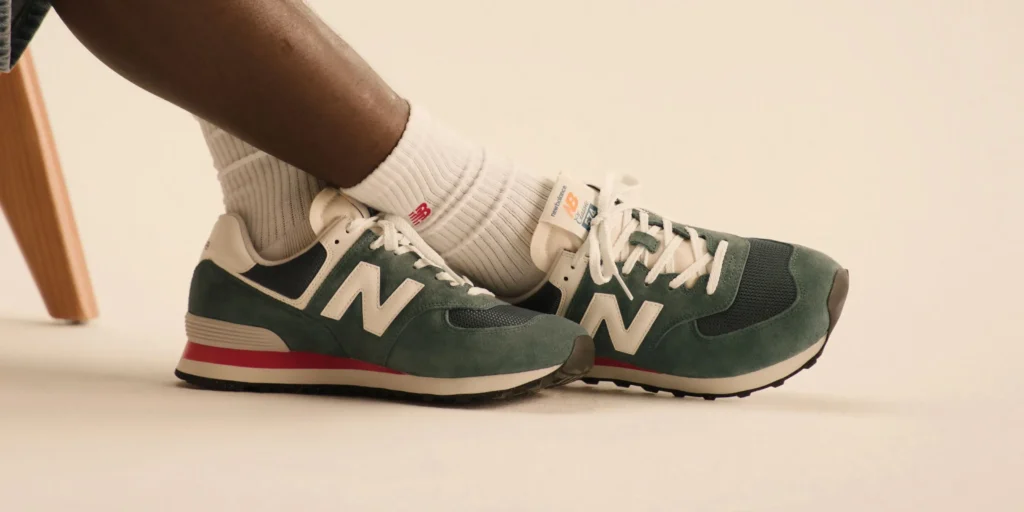
New Balance shoes are known for their sleek, minimalist designs. The brand has successfully managed to integrate style with functionality, making their products suitable for everyday wear beyond just athletic use.
Colorways and Personalization
In addition to functionality, New Balance offers a wide variety of colors and patterns. The ‘NB1’ customization program allows consumers to create personalized footwear, catering to individual preferences and tastes.
Sustainability Practices
Material Sourcing
New Balance is actively working toward sustainability by sourcing eco-friendly materials. The brand has undertaken various initiatives to reduce its carbon footprint, from choosing organic cotton to recycling scrap material in production processes.
Manufacturing Initiatives
In an effort to promote local manufacturing, New Balance has established factories in the USA. The ‘Made in USA’ series exemplifies the brand’s commitment to quality craftsmanship while supporting local economies.
Product Lifecycle Programs
New Balance has initiated programs aimed at recycling old shoes and repurposing materials. This approach not only lessens waste but also fosters a circular economy—making sustainability an integral part of the business model.
Community Engagement and Diversity
Promoting Inclusivity
New Balance believes that sports should be accessible to all, which is reflected in their diverse range of products. The brand is active in promoting athletic events that celebrate inclusivity, regardless of skill level or background.
Partnerships with Nonprofits
Through various partnerships with nonprofits, New Balance supports community-building initiatives focused on youth sports programs. Their involvement helps promote physical activity in marginalized communities and encourages a healthy lifestyle.
The Global Reach of New Balance
Market Expansion
Over the years, New Balance has expanded its global footprint. With flagship stores in major cities and robust online retail capabilities, the brand has made its products accessible to a diverse consumer base.
Cultural Relevance
New Balance has successfully intertwined itself with popular culture, particularly with its collaborations with high-profile designers and celebrities. Such partnerships have reinforced its position as a trendsetting brand in both fashion and athletics.
Athletes Endorsements
High-Performance Ambassadors
New Balance has formed partnerships with various world-class athletes, promoting its cutting-edge technologies in real-world scenarios. These endorsements ranging from professional runners to trainers validate the brand’s performance claims.
Influencers and Fitness Communities
Working with fitness influencers who align with the brand’s values has enabled New Balance to target a broader audience, particularly in digital spaces. These collaborations leverage social media platforms to promote fitness culture in an engaging manner.
The Future of New Balance
Innovative Collaborations
Looking ahead, New Balance plans to explore more collaborations, both within the sports industry and with contemporary designers. The focus on innovation will continue to drive product development and consumer engagement.
Commitment to Sustainability
With sustainability becoming a key market driver, New Balance is committed to continuously improve its environmental practices. Future goals include reducing waste across supply chains and increasing the use of sustainable materials.
Conclusion
The evolution of New Balance exemplifies a brand that has successfully merged performance with style, all while embracing sustainability and social responsibility. From its rich history to its forward-thinking initiatives, New Balance continues to redefine what it means to be an athletic footwear company in the 21st century. As the brand continues to innovate and expand its reach, it remains rooted in its foundational commitment to quality, performance, and inclusivity.
References (Not to be Listed)
- New Balance Official Site
- Relevant industry journals and publications on footwear and technology.