Introduction
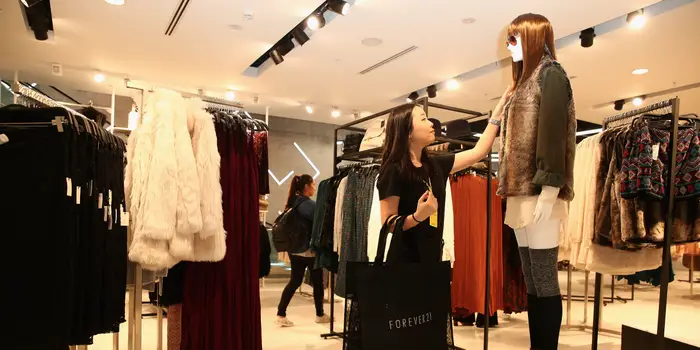
In an era defined by rapid changes in fashion trends and consumer demands, Forever 21 stands out as a significant player in the fast fashion industry. Founded in 1984, the brand has made its mark by offering trendy, affordable apparel, attracting a diverse customer base across the globe. This article explores Forever 21’s history, its business model, the impact of fast fashion on the environment and society, and the company’s strategies to navigate contemporary challenges.
1. History of Forever 21
1.1 The Founding Story
Forever 21 was established in Los Angeles, California, by Do Won Chang and his wife, Jin Sook Chang. Initially named “Fashion 21,” the store catered to the youthful demographic looking for trendy clothing at accessible prices. The brand quickly gained popularity, allowing it to expand its offerings and locations rapidly.
1.2 Expansion and Growth
By the early 2000s, Forever 21 was operating over 100 stores across the United States. Its unique business model focused on high turnover of products, bringing in new items weekly, which appealed to consumers eager for the latest trends. The ability to quickly respond to fashion trends set Forever 21 apart from traditional retailers.
2. Business Model
2.1 Fast Fashion Concept
Forever 21’s business model epitomizes the fast fashion concept: offering trendy clothing in a short span from design to retail. The company closely monitors fashion trends and popular styles, allowing it to produce similar designs quickly. This approach has allowed Forever 21 to price items competitively while maintaining variety.
2.2 Supply Chain Management
Efficiency in supply chain management is fundamental to Forever 21’s operations. The company works with various manufacturers, predominantly overseas, to streamline production and logistics. By minimizing lead times and maximizing output, Forever 21 keeps shelves stocked with the latest trends.
2.3 Target Market
Forever 21 primarily targets young adults and teenagers, capitalizing on a demographic that is highly influenced by social media and celebrities. This focus enables the brand to adapt quickly to changing fashion landscapes and consumer preferences.
3. The Impact of Fast Fashion
3.1 Environmental Concerns
The fast fashion industry, including brands like Forever 21, has been under scrutiny for its environmental impact. The mass production of clothing leads to substantial waste, pollution, and resource depletion. Synthetic materials often used in garments break down into microplastics and contribute to ocean pollution.
3.2 Social Implications
Fast fashion has also raised ethical concerns regarding labor practices. The reliance on cheap, overseas labor raises questions about workers’ rights, conditions, and wages. Forever 21 has faced criticism about its labor practices, which has prompted discussions about the need for transparency in the supply chain.
4. Navigating Challenges
4.1 Financial Struggles
Despite its initial success, Forever 21 faced financial difficulties, filing for bankruptcy in 2019. The changing retail landscape, increased competition from online retailers, and shifting consumer preferences contributed to its struggles.
4.2 Rebranding Efforts
In response to bankruptcy, Forever 21 has implemented rebranding strategies aimed at rebuilding its image. This includes revising its product lines, focusing on sustainability, and enhancing its online shopping experience.
5. Sustainable Fashion Initiatives
5.1 Commitment to Sustainability
Acknowledging the criticism surrounding fast fashion, Forever 21 has made strides toward sustainability. The brand has launched eco-friendly initiatives, including collections made from recycled materials and efforts to minimize water and energy usage in production.
5.2 Corporate Social Responsibility (CSR)
Forever 21 has also begun to emphasize its CSR initiatives, focusing on ethical sourcing, fair labor practices, and community engagement. The brand’s efforts in these areas are essential for rebuilding consumer trust and loyalty.
6. The Role of Technology
6.1 E-commerce Expansion
The rise of online shopping has reshaped retail, and Forever 21 has adapted by enhancing its e-commerce platform. The brand’s website and mobile app provide a seamless shopping experience, integrating features like virtual try-ons and personalized recommendations.
6.2 Social Media and Marketing
Forever 21 effectively utilizes social media platforms to engage with customers, promoting new arrivals, sales, and collaborations. Influencer partnerships and social media campaigns allow the brand to reach a broader audience and drive sales.
7. The Future of Forever 21
7.1 Trends in Retail
As consumer behavior continues to evolve, Forever 21 must remain agile in its strategies. The trend towards ethical and sustainable fashion is likely to shape the company’s future offerings and branding.
7.2 Continuous Adaptation
Forever 21’s ability to adapt to market changes, listen to customer feedback, and innovate will be crucial for its success moving forward. Building a strong community around the brand may also play a pivotal role in fostering loyalty.
8. Conclusion
Forever 21’s journey exemplifies the complexities of the fast fashion industry. While its affordable and trendy clothing has attracted customers, the brand also faces significant challenges regarding sustainability and ethical practices. By embracing change, leveraging technology, and committing to responsible retail, Forever 21 may navigate its path forward and remain relevant in an ever-evolving fashion landscape.