Introduction
H&M, or Hennes & Mauritz, has made remarkable strides in the fashion industry since its inception in 1947. What started as a single women’s clothing store in Sweden has expanded into a global chain, offering trendy, affordable fashion for men, women, and children.
Company Background
Founding and Early Years
Founded by Erling Persson, H&M opened its first shop in Västerås, Sweden. Initially focusing on women’s clothing, the brand quickly diversified, introducing men’s and children’s lines.
Global Expansion
As the demand for accessible fashion grew, H&M expanded internationally, opening stores across Europe and later in Asia, the Americas, and beyond.
Business Model
Fast Fashion Concept
H&M is a key player in the fast fashion industry, characterized by rapid production cycles that allow the brand to respond quickly to emerging trends and consumer preferences.
Sustainability Efforts
H&M has made commitments to sustainable fashion, aiming to use 100% sustainably sourced materials and reduce its carbon footprint while promoting ethical practices throughout its supply chain.
Product Range
Apparel
H&M offers an extensive range of clothing for diverse demographics. The variety includes everyday wear, formal clothing, and seasonal collections designed to meet a wide array of consumer preferences.
Accessories and Footwear
In addition to clothing, the brand provides accessories and footwear that complement its apparel lines, appealing to customers looking for complete outfits.
Children’s Clothing
Recognizing the importance of family, H&M features a dedicated line for children, ensuring that stylish, comfortable options are available for all ages.
Marketing Strategies
Advertising Campaigns
H&M’s marketing campaigns often leverage high-profile collaborations with celebrities and fashion designers, creating buzz and drawing in customers.
Social Media Engagement
The brand maintains an active presence on social media platforms, using these channels to connect with consumers and promote new releases.
Technological Innovations
E-Commerce Development
Investing in e-commerce, H&M has adapted to the shift toward online shopping. The brand’s website and mobile app offer user-friendly interfaces, making it easy to browse and purchase products.
Inventory Management
By utilizing advanced inventory management systems, H&M can ensure that popular items remain in stock while also minimizing excess inventory.
Challenges and Responses
Navigating Fast Fashion Criticism
Despite its success, H&M has faced criticism regarding the environmental impact of fast fashion. In response, the company has adopted various sustainability initiatives aimed at reducing waste and promoting circular fashion.
Market Competition
The fashion retail landscape is increasingly competitive, with many brands entering the fast fashion category. H&M’s strategy includes continuous innovation and adaptation to market trends.
Consumer Experience
Store Layout and Design
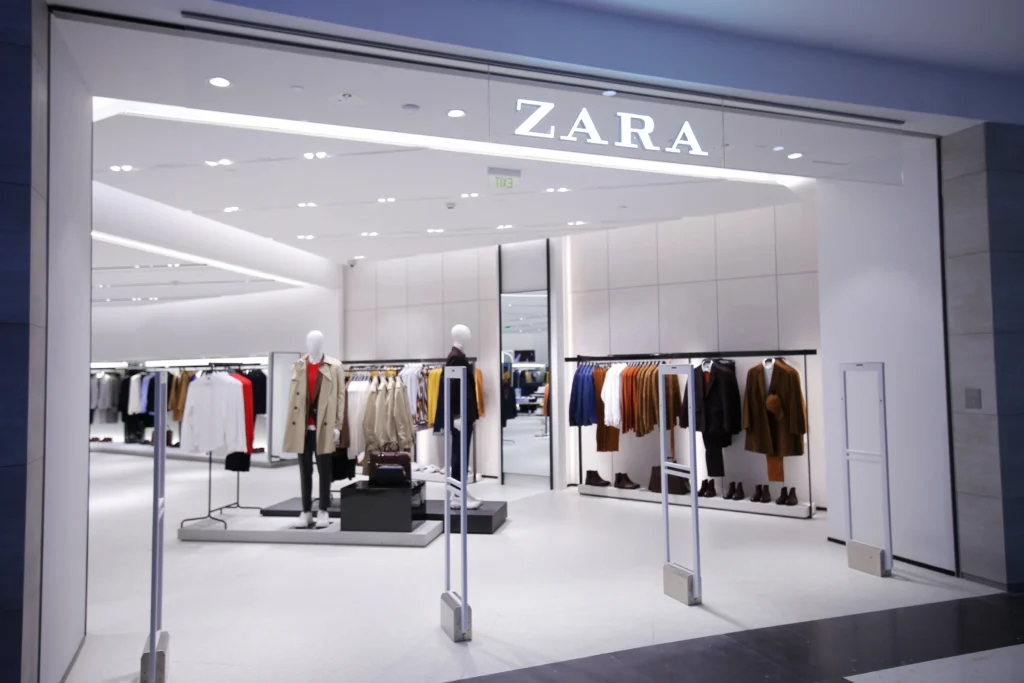
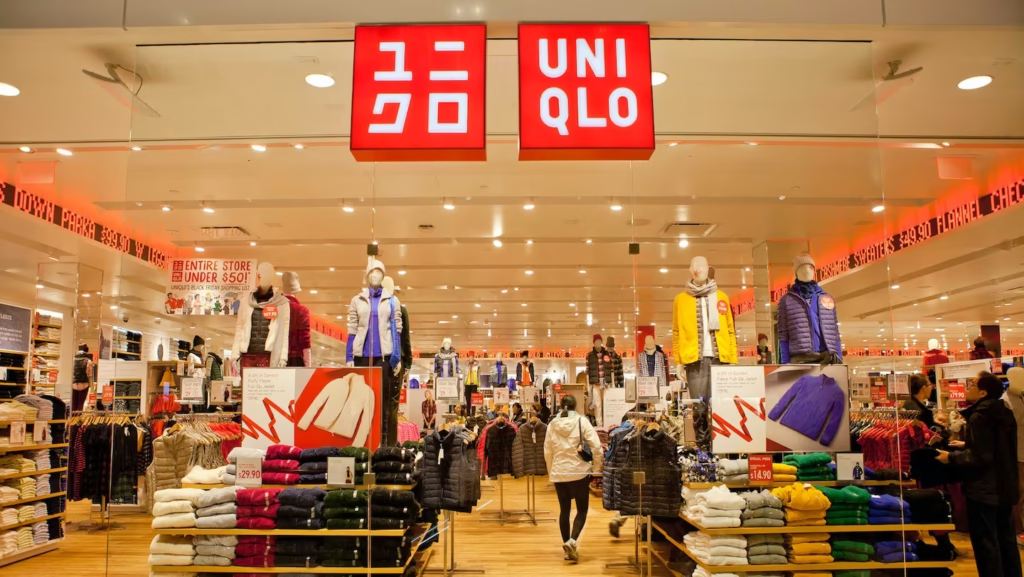
H&M stores are designed to provide an engaging shopping experience. The layout encourages exploration, with visually appealing displays showcasing the latest collections.
Customer Feedback and Adaptation
Listening to customer feedback, H&M continuously adapts its offerings to align with consumer preferences and expectations, fostering brand loyalty.
Global Challenges
Economic Factors
Economic downturns and shifts in consumer behavior can impact sales. H&M’s global footprint allows it to diversify risks across different markets.
Supply Chain Disruptions
Recent global events have highlighted vulnerabilities in supply chains. H&M focuses on building resilience through diversified sourcing strategies.
Future Directions
Commitment to Sustainability
H&M’s future plans include further investments in sustainable practices, aiming to be a leader in responsible fashion.
Expanding Digital Presence
Continued growth in e-commerce and digital marketing is anticipated as H&M seeks to adapt to evolving consumer behaviors.
Conclusion
H&M’s journey reflects a blend of innovation, adaptation, and commitment to customer satisfaction. As it looks to the future, its strategy will likely continue to evolve, focusing on sustainability and the ever-changing landscape of fashion.