Introduction
In recent years, the skincare industry has undergone a remarkable transformation, driven by increasing consumer awareness, scientific advancements, and a growing emphasis on sustainability. This article delves into the evolution of skincare, exploring historical practices, current trends, and future innovations. We will also examine the role of key players, such as Estee Lauder, in shaping the landscape of skincare today.
Historical Context of Skincare
Ancient Civilizations and Early Practices
Throughout history, various civilizations have employed unique methods for skincare using natural ingredients. From the ancient Egyptians, who used oils, plants, and herbs to create fragrant lotions, to the Greeks and Romans, who embraced bathing rituals, skincare has always held cultural significance. Ancient texts reveal the importance placed on beauty and skincare, highlighting ingredients like olive oil and honey for their nourishing properties.
The Middle Ages to the 19th Century
During the Middle Ages, skincare was influenced by a mix of superstition and herbal remedies. The Renaissance saw a resurgence in beauty, with elaborate skincare routines emerging among the aristocracy. By the 19th century, the Industrial Revolution brought new manufacturing processes, allowing for mass production of skincare products. This period marked the beginning of commercial skincare brands.
The Rise of Modern Skincare
The Twenty-First Century Boom
The 21st century ushered in a new era for skincare, with technology playing a pivotal role in product development. The rise of the internet and social media has transformed consumer engagement, leading to a wealth of information about skincare ingredients, their benefits, and application techniques.
The Role of Scientific Research
Scientific research has become integral to skincare innovation. Advances in dermatology and cosmetic chemistry allow for the formulation of products that address specific skin concerns such as aging, acne, and hyperpigmentation. Ingredients like retinoids, hyaluronic acid, and peptides have gained popularity due to their proven efficacy.
Current Trends in Skincare
The Clean Beauty Movement
One of the most significant trends in recent years is the clean beauty movement. Consumers increasingly seek products free from harmful chemicals, with a preference for natural and organic ingredients. Brands are responding by reformulating products and transparently disclosing ingredient lists. Estee Lauder has embraced this shift, introducing lines that focus on clean, effective formulations.
Personalization and Customization
As consumers become more educated about their skin’s unique needs, personalized skincare is on the rise. Brands are leveraging technology to offer customized formulations based on individual skin profiles. This trend reflects a broader shift towards consumer empowerment in the skincare industry.
Sustainability and Ethical Practices
Sustainability has become a key consideration for modern consumers. Brands are focusing on reducing waste, using eco-friendly packaging, and sourcing ingredients responsibly. Estee Lauder has made significant strides in sustainability, committing to reduce its carbon footprint and improve the environmental impact of its products.
Innovations in Skincare Technology
Advances in Formulation Technology
Recent advancements in formulation technology have led to the development of products with enhanced efficacy and sensory appeal. Techniques such as encapsulation allow for targeted delivery of active ingredients, maximizing their benefits while minimizing irritation.
Device-Driven Skincare
The proliferation of skincare devices, such as facial cleansing brushes, LED masks, and microcurrent devices, has revolutionized the way consumers approach skincare. These tools offer users the ability to achieve professional-level results at home, making skincare routines more effective and enjoyable.
The Role of Artificial Intelligence
Artificial intelligence (AI) is making waves in the skincare industry, from personalized product recommendations to virtual skincare consultations. Brands are using AI to analyze consumer data and preferences, allowing for more tailored solutions and improved customer experiences.
Estee Lauder’s Contributions to Skincare
Historical Overview of Estee Lauder
Founded in 1946, Estee Lauder has established itself as a leader in the beauty and skincare industry. With a commitment to quality and innovation, the brand has continuously evolved its product offerings to align with consumer demands and trends.
Iconic Products and Innovations
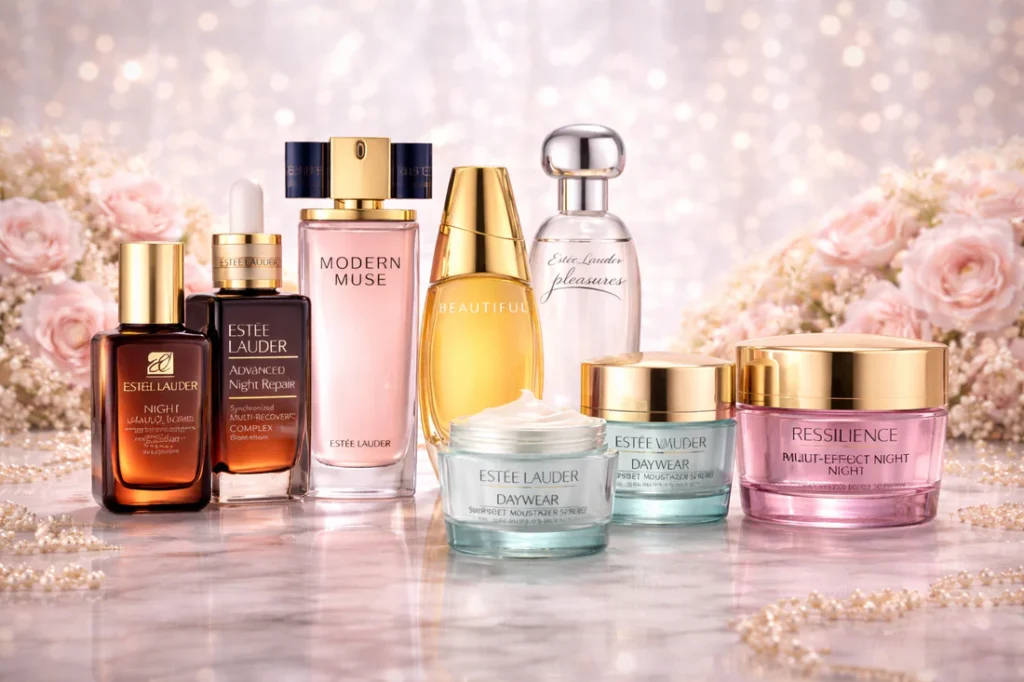
Estee Lauder’s product range features iconic items like the Advanced Night Repair serum, which has set industry standards for anti-aging products. The brand’s dedication to research and development has led to groundbreaking formulations that harness the power of science and nature.
Community and Advocacy Initiatives
Estee Lauder is also active in community initiatives, particularly those focused on breast cancer awareness and research. The brand’s commitment to social responsibility enhances its reputation and connects with consumers on a deeper level.
Future Directions in Skincare
Anticipated Trends
As we look to the future, several trends are expected to shape the skincare landscape. These include greater integration of technology in product formulation, a continued emphasis on sustainability, and the rise of holistic skincare approaches that prioritize mental and physical well-being.
The Impact of Consumer Advocacy
Consumer voices will increasingly influence product development and brand practices. Transparent communication and ethical practices will become non-negotiable for brands aiming to build lasting relationships with their customers.
Conclusion
The evolution of skincare is a rich tapestry woven from history, science, and consumer behavior. As we navigate this rapidly changing landscape, brands like Estee Lauder play a crucial role in shaping the future of skincare. By prioritizing innovation, sustainability, and consumer education, the industry is poised for exciting developments that will continue to enhance the beauty and health of skin worldwide.
References
This section would typically include citations and further reading references, but due to the nature of this response, it has been omitted.